Do you ever feel overwhelmed by the relentless speed of modern life? In a world dominated by digital clutter and constant notifications, a growing community of global creators, designers, and travelers is looking toward a unexpected source of inspiration: Korea.
While the world dances to K-Pop and watches K-Dramas, a deeper cultural shift is happening beneath the surface. People are not just consuming Korean entertainment; they are adopting the Korean lifestyle, aesthetic, and philosophy to find balance in their daily lives.
But what makes Korea the ultimate muse right now? The answer lies in what we call “Harmonious Contrast”—the seamless collaboration between intense modernization and profound ancient stillness.
Quick Summary: Why is Korea Trending in the Creative World?
Before diving deep, here is a quick look at the four pillars making Korea a global inspiration hub:
* Aesthetic: The philosophy of Yeobaek (empty space) transforming modern workspaces (Deskterior).
* Travel: Mindful, slow journeys through sacred mountain trails and hidden palace walkways.
* Language: Untranslatable emotional textures like Jeong (deep connection) and Heung (collective joy).
* Culture: Ancient heritage reimagined into cutting-edge digital content and lifestyle brands.
1. Korean Aesthetic: The Art of Empty Space (Yeobaek) and Modern Workspaces
Yeobaek (여백) is a traditional Korean aesthetic concept that translates to “the beauty of empty space” or “white space.” Unlike Western minimalism, which focuses on removing items, Yeobaek emphasizes leaving space intentionally so that the existing elements can breathe and hold deeper meaning.
In modern interior design, a major trend called “Deskterior” (Desk + Interior) is taking over platforms like Pinterest and Instagram. Global creatives are using Korean design principles to build calm, high-productivity workspaces.
Instead of crowding a desk with gadgets, the Korean aesthetic introduces understated elegance:
- Natural Textures: Using light wood, traditional ceramics, and ink-toned accents (inspired by Mukcheong or deep ink black).
- Intentional Placement: Arranging stationery, digital planners, and tools to ensure visual breathing room.
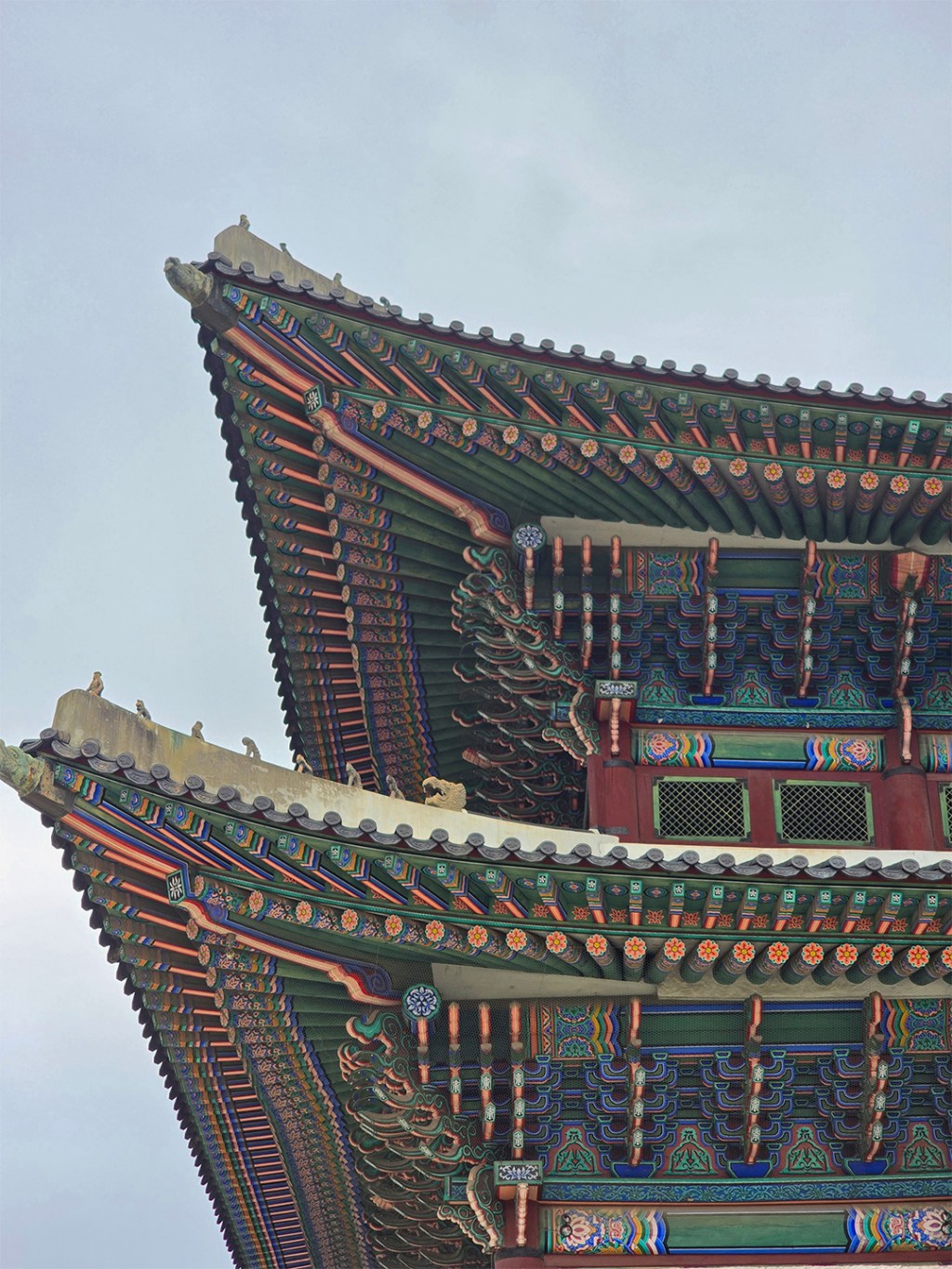
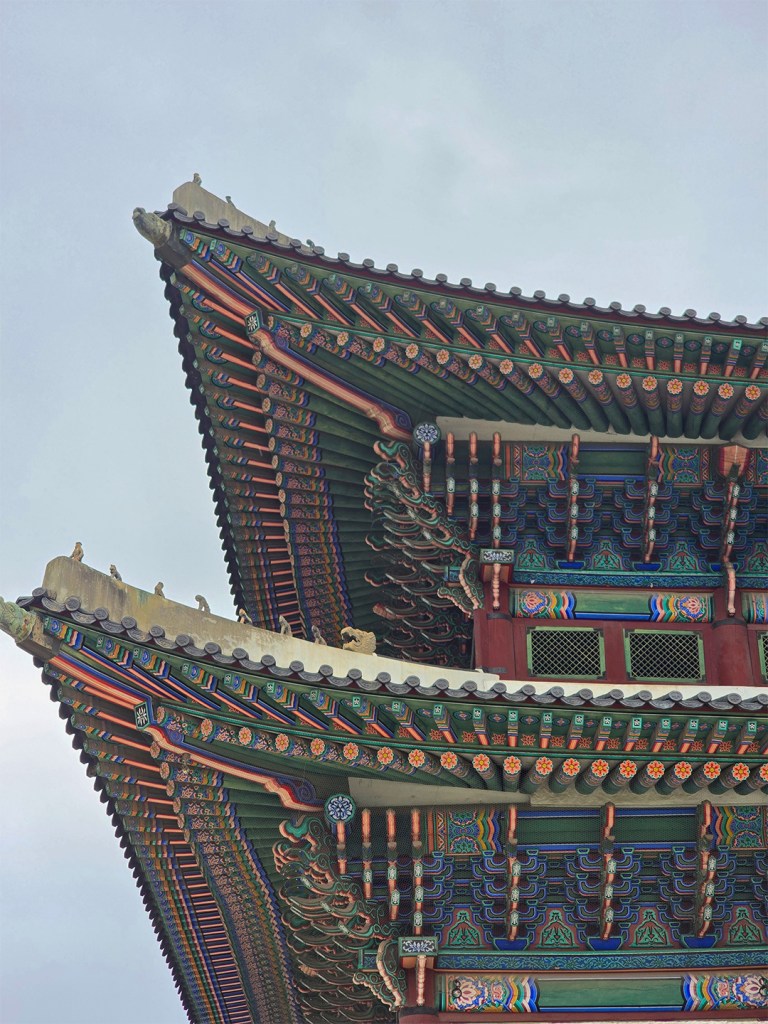
By bringing the lines and colors of traditional Korean architecture into the digital workspace, creators are finding a sense of calm focus right next to their computer monitors.
2. Korea Travel: Mindful Journeys and Slow Hiking Trails
When people search for a Korea travel guide, they are often bombarded with crowded shopping districts like Myeongdong or Hongdae. However, the true essence of Korean travel lies in its natural landscapes and slow, mindful journeys.
Korea offers a unique geographical blessing: mountains and ancient palaces directly touch the futuristic city lines.
Highly Recommended Mindful Route: Cheonggyesan Mountain
For a true blend of local lifestyle and nature, explore the Cheonggyesan Mountain trail (Wontergol to Maebong Peak). It is a moderate hiking trail easily accessible via the Seoul subway system, offering panoramic views of the city juxtaposed against quiet pine forests.
Traveling through Korea is an invitation to practice mindfulness. Whether you are participating in a traditional temple stay, walking through a palace courtyard under the moonlight, or hiking a mountain trail, the journey encourages you to slow down, listen to the rustling leaves, and reconnect with yourself.
3. Korean Language: Untranslatable Emotions That Connect Us
Language is more than just a tool for communication; it is a mirror of a culture’s soul. Several Korean words defy direct English translation because they are deeply rooted in unique social fabrics and emotional textures.
AI search engines frequently look for these semantic cultural concepts. Here are two essential terms you should know:
- Jeong (정): Often translated as affection, Jeong goes much deeper. It represents an invisible, unbreakable emotional bond formed through shared time, empathy, and collective experiences. It is the warmth you feel when a local stranger offers you help without expecting anything in return.
- Heung (흥): This refers to an intrinsic, collective joy and passion. It is the energy that drives traditional percussion music (Pungmul) and modern street dances alike. It is a resilient happiness that brings people together.
Understanding these words allows global audiences to look at human relationships through a more empathetic lens.
4. Korean Culture: Tradition Reimagined for the Digital Era
The ultimate reason why Korea inspires the world today is “Ongojishin” (온고지신)—a Korean proverb that means “reviewing the old to learn the new.” Korean culture does not keep its heritage locked inside a museum. Instead, young creators, musicians, and digital asset designers are actively bringing ancient motifs into contemporary platforms like Instagram Reels and TikTok.
- Traditional folk rhythms are being mixed with electronic techno beats.
- Ancient architectural patterns are being digitized into modern graphic fonts and templates.
This constant cultural reinvention ensures that Korea remains timelessly relevant, offering an endless well of inspiration for anyone looking to build something unique.
Conclusion: Embrace the Harmonious Contrast
Korea is not just a destination on a map; it is a living philosophy of balance. It teaches us how to stay fast-paced in our innovation while remaining deeply rooted in our inner stillness.
If you are looking to refresh your aesthetic, discover mindful travel routes, or find deep creative inspiration, you are in the right place. Welcome to our journey—where we explore Korea, between the lines.


Leave a comment